 Best eSIM for Japan: unlimited and fixed-data plans compared
Stay connected in Japan with the best eSIMs for fast, reliable data. Find the right plan for your trip, whether it’s a few days or several weeks.
Read More
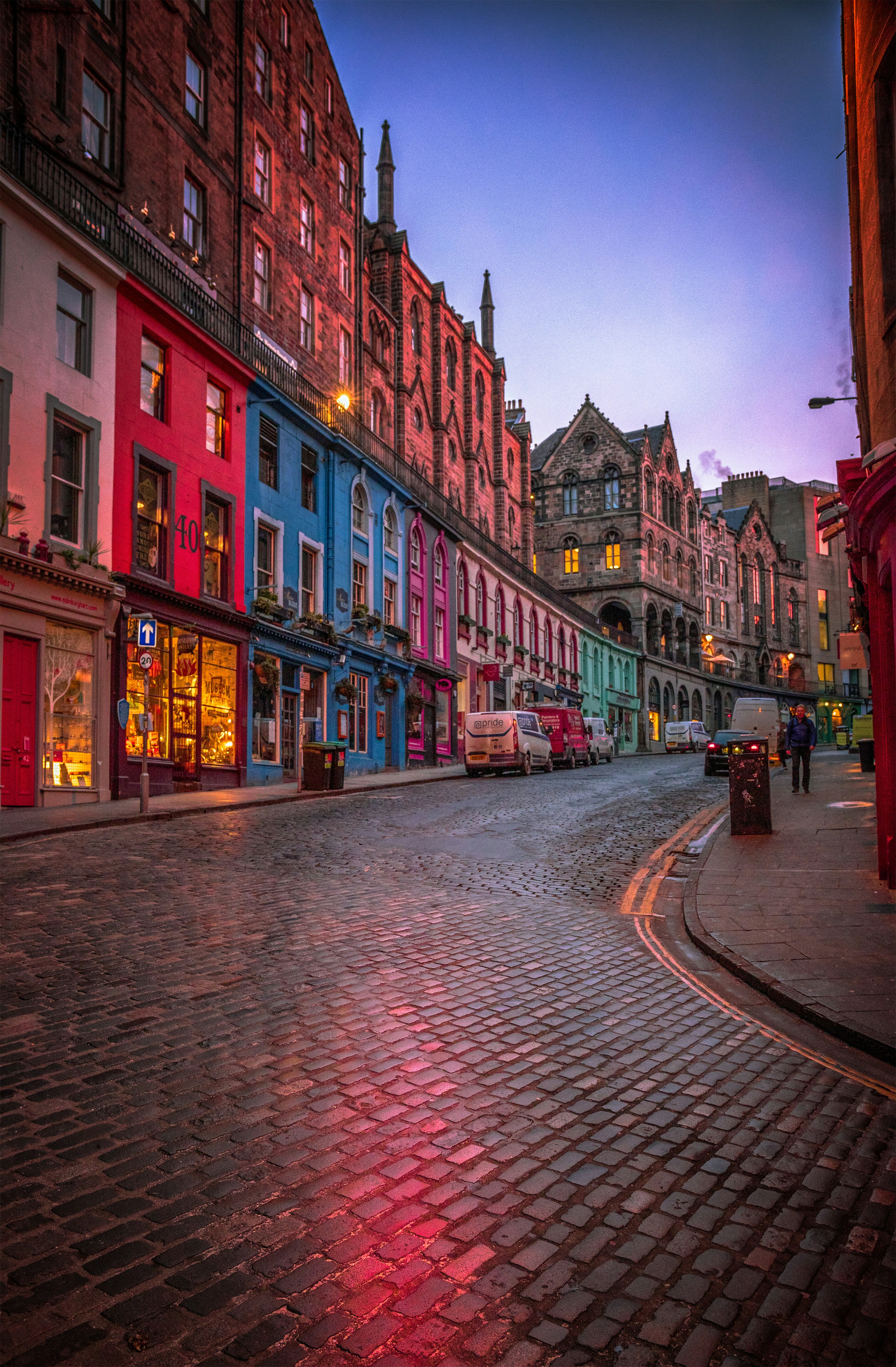
This guide will help you plan a trip to Scotland. We've included practical tips for getting around, staying connected, and making the most of every day so you can fully enjoy your stay.
Scotland is one of those destinations that will always surprise you with its stunning landscapes, including iconic landmarks like Loch Ness and the Highlands.
This guide covers everything you need to know before you travel, from the best time to visit and how to get around the country, to how to stay connected at all times with a reliable eSIM so you can travel without any hassle.
Scotland is huge, and relying on spotty hotel Wi-Fi is a recipe for frustration throughout the trip, when you're trying to navigate a single-lane road in the Highlands or check the opening hours of a remote distillery.
The tip: Save money by downloading a local UK eSIM before you even leave home for your trip. Setting it up takes just three minutes, and as soon as your plane lands, you'll be connected to the UK's best local network, EE. No need to hunt down SIM card kiosks, deal with plastic cards, or worry about roaming charges.
With EE's UK eSIM Local SIM, you'll be connected to the country's leading and fastest local network. This means you'll have the same experience as locals. In cities like Edinburgh, Glasgow, Inverness, and Aberdeen, coverage is excellent. Please note that in more remote areas, such as parts of the Northwest Highlands or small islands, the signal may be less consistent, but this is true of any network in those areas.
Yes, and better than most people expect. The main roads, towns and ferry terminals have reliable coverage. In very remote corners of the northwestern Highlands or on smaller islands, you can find signal drops, which is completely normal in any European network in mountainous or rural terrain, not a peculiarity of the eSIM.
What matters is that you're on a local network. Sim Local's connection to EE means you have the best coverage available in Scotland, just like in a local instead of the limited signal that an international roaming plan would have.
The solution: Activate your local eSIM before you leave home. This connects you as soon as you land, whether you need to order an Uber from Edinburgh Airport or look at Google Maps when you get off the ferry in Oban. See Activation Guides |
Not all UK eSIM providers are the same; here's a comparison of the best options for a 30-day unlimited plan.
Plan Type | Sim Local | Airalo | Saily | Holafly |
$53.50 | $72.50 | $71.99 | $74.90 | |
Network Type | EE UK | Own brand | Own brand | Own brand |
Calls and texts included | ✓ | ✓ | ✗ | ✗ |
Refund Policy | Unquestioned refund | Only faulty blueprints | Not activated/faulty | Device not activated/faulty/incompatible |
Sim Local is the only provider in this comparison that uses local UK networks like EE, UK’s most trusted network instead of its own branded network. Plus, it's the only one that includes calls and texts as standard, and it offers a refund with no complaint if something doesn't work as expected or you change your mind.
Scotland works as a year-round destination, but the experience varies greatly depending on when you decide to go. Here's an honest breakdown:
Season | Months | What to Expect |
Peak | June – August | The best weather and the longest days. Higher prices, busier attractions. |
Best value for money for the shoulder ⭐ | April–May / September–October | Good weather, far fewer tourists, lower prices. Our top recommendation. |
Pre-season | November – March | Cold and unpredictable. Atmospheric, very affordable, ideal for whiskey distillery tours. |
Our choice: from the end of April to May, or from September to October. The light in Scotland during these months is magnificent, the main attractions are much less crowded and the prices of accommodation are noticeably lower. If you're flexible with dates, the off-season is the best option.
Pro tip: The weather in Scotland can change several times in a single day, regardless of the season. Always wear a waterproof layer, even in July. |
You have to know before traveling that Scotland is not a budget destination, but it's more affordable than people usually expected, if you plan it well, especially if you are traveling out of the high season and prepare for some meals.
Type Traveller | Daily Budget | What it covers |
Specifications | ~£50/day | Hostels, supermarket meals, free attractions (Arthur's Seat, Glencoe) |
Mid-range | ~£120–150/day | Affordable hotels, restaurants, paid entrance (castles, distilleries) |
Comfort / Luxury | £200+/day | Boutique hotels, haute cuisine, private tours and lodges in the Highlands |
Where costs vary the most: accommodation. Scotland offers an excellent range of options, from hostels and kitchenettes to boutique lodges in the Highlands. Booking in advance, especially in popular areas like Skye in summer, makes a significant difference in price.
Where to save: Most of the natural attractions, the Highlands, beaches, coastal walks and Arthur's Seat, are completely free. Supermarkets are well stocked and are a good choice for picnics, especially on road trip days.
Pro tip: Whisky distillery tours vary wildly in price, from free tastings to £30+ for premium experiences. The Talisker Distillery in Skye and Dalwhinnie in the Cairngorms are two of the most picturesque options. Book in advance in summer.
Renting a car is by far the best and easiest way to get to know Scotland, especially anything outside of Edinburgh or Glasgow. There is public transport between cities, the ScotRail network reliably connects the main urban centres, but outside of those corridors it becomes slow and infrequent.
If you're renting a car, a few things worth knowing:
Scotland uses the British pound (GBP). Card payments are accepted almost everywhere, but there is some cash for smaller coffee shops, market stalls and parking lots in rural areas.
Scottish banknotes: Scottish banks issue their own banknotes, which differ from those of the Bank of England. Both are valid in Scotland. If you continue your journey to England, be aware that Scottish tickets are sometimes refused in shops outside Scotland and exchange them before crossing the border.
Scotland uses the UK's Type G connector (three rectangular pins). Visitors from Europe, the United States, or Australia will need a travel adapter. Check this before you travel.
Tipping in Scotland generally follows similar rules to the rest of the UK. It is not mandatory, but in restaurants with a seat 10% is appreciated for good service. Bar staff generally don't receive tips like restaurant waiters.
English is the main language spoken throughout Scotland. Gaelic is spoken in parts of the Western Isles and taught in some schools, but you won't need it as a visitor. Some local accents can take a little getting used to, don't hesitate to ask someone to repeat.
From waking up to the sound of silence in a Highland valley, to exploring the medieval alleys of Edinburgh and catching a ferry to islands that truly seem untouched, Scotland condenses an enormous amount into a relatively small space.
The key is to plan your route well, respect distances, and make sure your technology is ready before you leave. A local eSIM UK means you'll be connected from the moment you land, no roaming charges, no queues for SIM cards, just reliable data from the best local networks in the UK.
Sim Local is the best option for traveling around the UK. It works with EE, the UK's leading local network, offering reliable coverage in cities and strong signal on most Highland routes.
Yes. Coverage in major localities and along major highways is consistently strong. In very remote areas, parts of the north-west Highlands or smaller islands, the signal may be less consistent, which is standard on any UK network in those locations.
Late April through May and September through October offer the best combination of good weather, manageable crowds, and lower prices. June to August has the most reliable weather, but also the highest accommodation costs and the busiest attractions.
For anything outside of Edinburgh and Glasgow, a car makes travel much easier and opens up large parts of the country that are difficult or impossible to reach by public transport.
Scotland is moderately expensive compared to some European destinations. Budget travellers can get by on around £50 a day by staying in hostels and with self-cooking. Mid-range travelers should budget between £120 and £150 per day. Most of the natural attractions, the Highlands, beaches and hiking trails are completely free.
Yes. Scotland is a very safe destination. Solo travel is common across the country, including the Highlands.
Best eSIM for Japan: unlimited and fixed-data plans comparedStay connected in Japan with the best eSIMs for fast, reliable data. Find the right plan for your trip, whether it’s a few days or several weeks.
Read More Ask A Local: Insider Tips & Hidden Gems For Melbourne
Discover Melbourne's best coffee spots, delicious food, must-see attractions and hidden gems. Read our local guide for Melbourne.
Read More Best eSIMs for Australia: Travel to Australia
Australia is a diverse country filled with incredible coastlines, rugged outback wilderness, and busy, world class cities. As a tourist destination, it is well worth the long flights.
Read MoreGet your Sim Local EE UK eSIIM here