30 GB eSIM
80 GB eSIM
United Kingdom
Unlimited Local SMS

EE UK
Duration
30 Days
Plan
Data/Calls/SMS
Speed
5G
Price
US$19.75
More Info
Autumn Promo


Between lectures, deadlines, and a student budget, actually getting out and seeing the UK can feel like something you'll get to eventually. The good news is that student status comes with genuine discounts on trains, coaches, and city transport enough that a weekend in Edinburgh or a day trip to Cardiff is a lot more affordable than it looks if you know which cards and tickets to use.
This guide covers the destinations worth the trip, the discount cards worth getting, how to get around cheaply, and what to sort out before you go.

The obvious first stop: free museums (British Museum, Tate Modern, National Gallery), a huge student nightlife scene, and enough neighborhoods to fill several weekend trips without repeating yourself. If it's your first visit, our 3 days in London itinerary covers the essentials.
A compact, walkable city with a completely different feel from England, castle, Old Town closes, and the Fringe Festival every August if your dates line up. See our Scotland travel guide for more on planning a trip north of the border.

Strong on live music, football culture, and nightlife, with some of the best-value student accommodation and going-out prices outside London.

Smaller and more relaxed, with an easy mix of city center, castle, and coastline nearby, a good low-cost weekend option.

A handful of cards pay for themselves within a couple of trips:
Trains are usually fastest but can be expensive if you book late, Advance tickets get cheaper the earlier you book, and the discount from a 16-25 Railcard stacks on top of Advance fares, not just full-price ones. For longer or more flexible trips, coaches with operators like National Express are generally the cheapest way between UK cities, just slower.
If you're combining a UK trip with a hop to Europe, budget airlines out of London, Manchester, or Edinburgh are usually the cheapest way to add a second country to the tripm a European summer festival or a cheap ski trip are both easy add-ons depending on when you're travelling.
Whichever way you're getting around, it's worth having data sorted before you arrive an eSIM means you can compare Advance fares, check coach times and pull up your ticket the moment you land, instead of relying on station Wi-Fi. Here's how UK eSIMs work.
Staying reachable matters for safety as much as convenience, a working data connection means you can share your location, call for help, or reach your university's international student support line wherever you are, not just on campus Wi-Fi. Our full guide to student eSIM options covers the practical side.
A few habits make student trips go further:
London, Edinburgh, Manchester, and Cardiff cover a good range of budgets and experiences: London for free museums and nightlife, Edinburgh for a different city feel and the Fringe, Manchester for music and going-out culture, and Cardiff for a smaller, cheaper weekend trip.
University halls (including short lets during holidays), YHA and independent hostels, and student-focused short-let platforms are usually the cheapest options, well below standard hotel prices in most UK cities.
A 16-25 Railcard cuts a third off most train fares and pays for itself within a couple of trips. A TOTUM card adds thousands of UK and international discounts plus a free ISIC. In London specifically, the 18+ Student Oyster photocard cuts 30% off period Travelcards.
Know that 999 is for emergencies and 111 is for non-emergency medical advice, share your plans and location with someone when traveling somewhere new, keep digital copies of your key documents, and make sure you've got a working data connection so you're reachable wherever you are.
Book trains and accommodation early, travel off-peak where possible, stack a 16-25 Railcard with Advance fares, and split costs with course mates for group trips, the combination usually cuts a weekend trip's cost significantly compared to booking everything last-minute and solo.
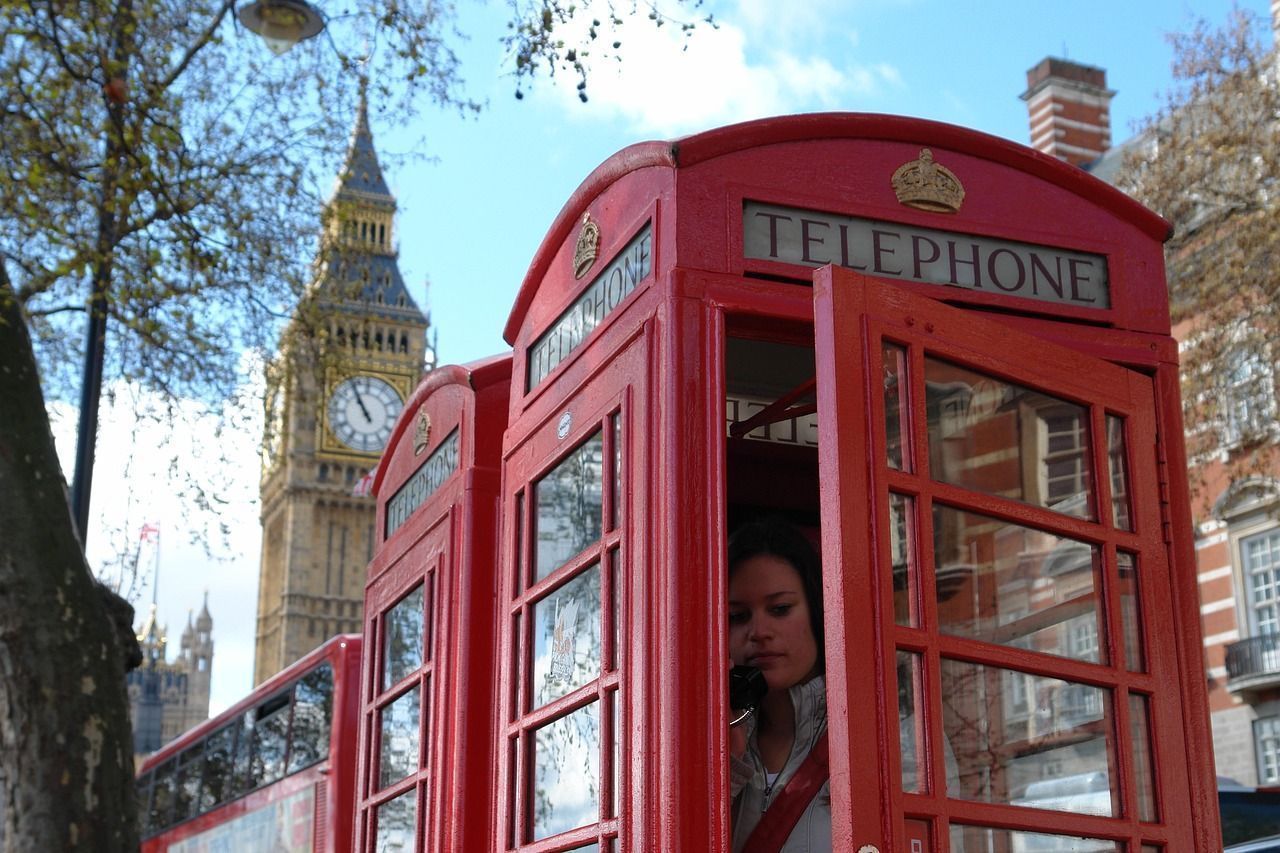 Best eSIM UK: top picks for every type of traveller
Planning a trip to the UK brings up two questions pretty fast: how much data do you actually need, and which provider is worth your money?
Read More What Is Data Roaming? How To Manage Data Roaming Costs
This quick read could save you thousands...
Read More Work and Travel England: the complete guide
"Work and travel" used to mean something fairly loose: turn up, find a bar job, figure it out. In England in 2026, it's more specific than that; what you're actually allowed to do depends entirely on which visa route you qualify for, and those routes vary a lot by nationality, age and the kind of work you want.
Read More