75 GB eSIM
Vietnam
5GB/day high speed

Mobifone
Duration
15 Days
Plan
Data/Calls/SMS
Speed
4G / 5G
Price
US$19.00
More Info
Top Seller
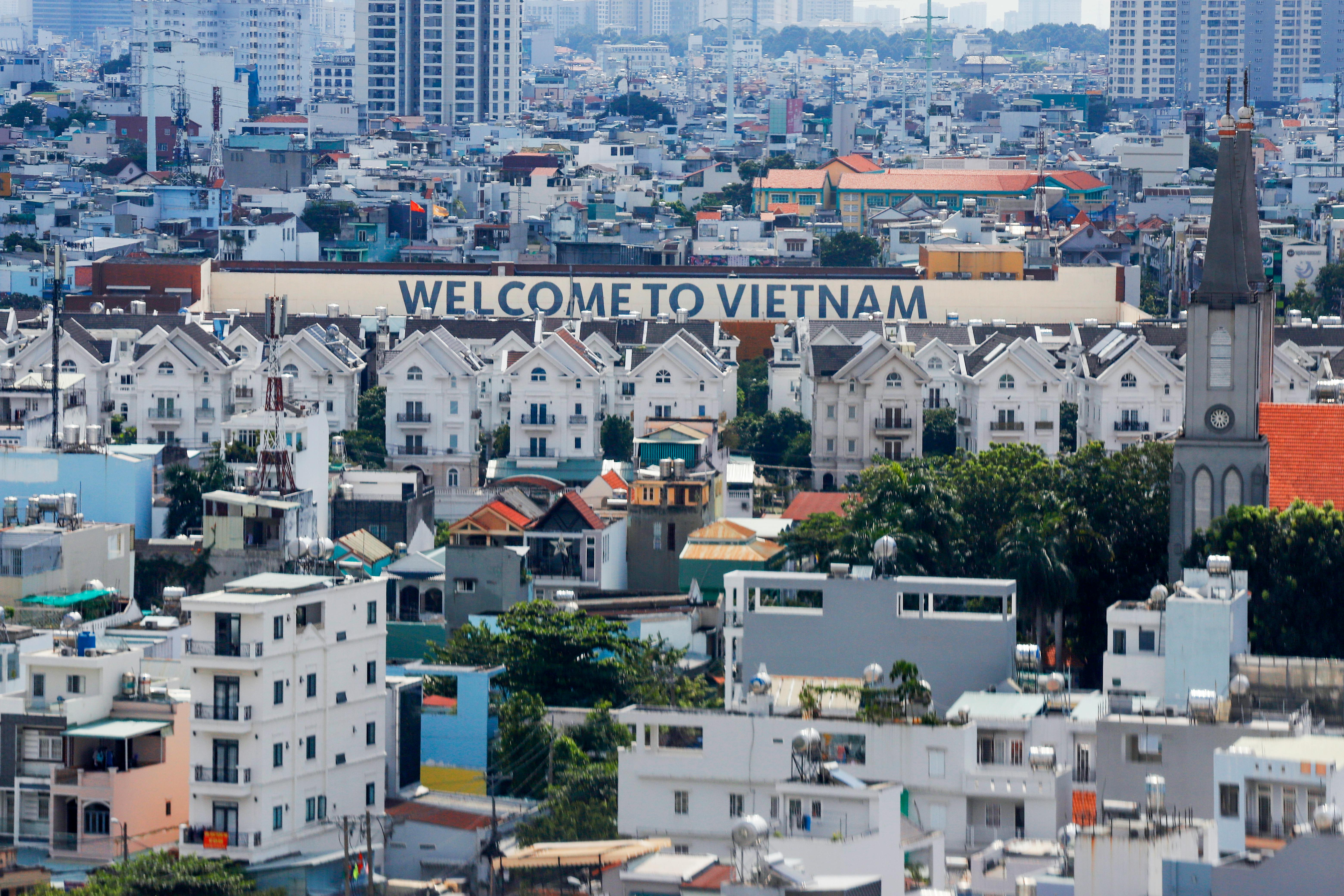
Planning a trip to Vietnam? Whether you are exploring the lantern-lit streets of Hoi An, cruising Ha Long Bay, or hopping between Hanoi and Ho Chi Minh City, staying connected makes everything easier.
From navigating with Google Maps to booking transport, translating menus, or sharing your trip in real time, reliable mobile data is a travel essential.
In this guide, we cover the best ways to stay connected in Vietnam, including WiFi, mobile roaming, and the easiest option for most travellers: an eSIM. The best way to stay connected in Vietnam is with an eSIM, because it’s cheaper than roaming and easier than buying a local SIM while also being more secure than public WiFi. You can install it before you travel and activate it when you land. But don't just take our word for it, keep reading to learn why eSIM is your best option for your Vietnam trip.
If you want the most convenient and stress-free way to stay online during your trip, a Vietnam eSIM is a great choice. Below you can purchase one of our MobiFone local Vietnam eSIM plans which include huge data, calls, texts & a local number.
There are a few main options for getting internet access while travelling in Vietnam:
Each option has pros and cons depending on your budget, travel style, and how long you are staying.
Before we break them down, here’s the quickest way to choose the best option for your trip to Vietnam.
Option | Best for | Setup | Cost | Coverage | Keeps your main number active | Hotspotting | Main downside |
Public WiFi | Backup use | None | Free | Limited | ✅ Yes | ❌ No | Not reliable or secure |
Pocket WiFi | Groups + multi-device | Medium effort | Can be pricey | Good | ✅ Yes | ✅ Yes | Extra device to carry/charge |
International roaming | Very short trips, emergencies | None | Often the most expensive option | Can be inconsistent | ✅ Yes | ✅ Usually | Expensive |
Local SIM card | Long stays, older phones | Sim Swap | Often cheap | Strong | ❌ No | ✅ Usually | SIM swapping + queues |
Sim Local eSIM | Most travellers | Install eSIM (quick) | Great value | Strong (we use local networks) | ✅ If you choose a data only plan | ✅ Yes (when you choose Sim Local) | Requires eSIM compatible phone |
Vietnam is generally very WiFi-friendly, especially in tourist areas and larger cities. You will find free WiFi in places like:
✅ Free in most places
✅ Great for video calls and uploading content (when strong)
✅ Easy to access in cities
❌ Speed can be unreliable
❌ Connections are not always secure
❌ You lose access as soon as you leave the hotspot
❌ Not ideal for maps or travel apps when you are out and about
❌ Most concerning con for Public WiFi: Public WiFi is not always secure so you can't be sure your data and privacy is being protected.
WiFi is useful, but if you want reliable coverage while moving around Vietnam, you will need mobile data too.
Pocket WiFi is a portable router you can rent and carry with you while travelling around Vietnam. It gives you a private WiFi connection on the go, and can be a good option if you need to connect multiple devices at the same time.
✅ Connect multiple devices at once (great for couples and groups)
✅ More secure than public WiFi
✅ Useful for laptops and tablets while travelling
❌ You have to carry an extra device
❌ Battery life can be an issue if you are out all day
❌ Rental, collection, and return can be inconvenient
❌ Can be more expensive than an eSIM for solo travellers
Roaming is the simplest option in theory because you keep using your normal SIM and phone number, but it often comes with very high costs.
Some networks offer travel passes, but roaming in Vietnam can still become expensive, especially if you use:
✅ No setup needed
✅ Keep your home number active
✅ Works instantly when you land
❌ Can be expensive
❌ Data allowances may be limited
❌ Speeds may not be great
❌ Easy to use more data than expected
If you are only in Vietnam for a very short trip, roaming might be fine. Otherwise, most travellers will save money with an eSIM or local SIM. See below just how expensive roaming charges in Vietnam can be for the average traveller.
Vietnam has several major mobile networks, and local SIMs can be affordable. You can usually buy one in:
However, you may need to show ID or passport for registration, and the process can take time.
✅ Often good value
✅ Strong local coverage
✅ Useful if you need a Vietnamese number
❌ You need to swap out your current SIM
❌ You may lose access to calls or texts on your home number
❌ Setup may require registration and assistance
❌ Risk of overpaying in tourist spots
Local SIMs can work well, but they are not always the most convenient option for short trips.
A Vietnam travel eSIM is one of the easiest ways to get mobile data without hunting for a SIM shop or dealing with roaming charges.
An eSIM is a digital SIM card that lets you activate a mobile data plan on your phone, without needing a physical SIM.
You can install it before you fly, then connect as soon as you land.
✅ No physical SIM card needed
✅ Activate in minutes
✅ Avoid roaming fees
✅ Keep your home SIM in your phone
✅ Great for island hopping and moving around cities
Trip Duration | Sim Local Cost (Total in USD$) | vs. Roaming ($12/day) | What You Save When You Choose Sim Local |
|---|---|---|---|
7 Days (Unlimited) | $33.50 | $84.00 | 60% |
15 Days (Unlimited) | $60.25 | $180.00 | 67% |
30 Days (20GB) | $29.50 | $360.00 | 92% |
Vietnam has strong mobile network coverage in most areas, especially in:
In more rural or mountainous areas, coverage can vary, but mobile data is generally reliable across the country.
Setting up a Sim Local eSIM for Vietnam is quick and straightforward.
Tip: install the eSIM before you travel, and activate it when you arrive for the smoothest experience.
Yes, your phone must be eSIM-compatible.
Most newer smartphones support eSIM, including many models of:
If you are not sure, you can check your phone settings or device specifications.
It depends on how you use your phone while travelling. Here is a quick guide:
If you are travelling for more than a week or working remotely, it is worth getting a larger plan to avoid running out.
Yes, most travellers use their eSIM data for:
Just make sure your plan supports tethering, and keep an eye on your data usage if you are hotspotting regularly.
It is quick to set up, avoids roaming charges, and keeps you connected everywhere from the busy cities to scenic coastal towns.
Skip the roaming fees and avoid searching for SIM shops when you land.
Choose a Vietnam eSIM from Sim Local and get connected in minutes, so you can focus on enjoying your trip.
 The Best eSIMs for Vietnam to Keep You Connected on Your Trip
Don’t let data worries slow you down in Vietnam. Stay connected with a Vietnam eSIM and make the most of every adventure.
Read More-1080x716.jpg) Roaming vs Local SIM Card vs WiFi vs eSIM: What’s the best way to stay connected abroad?
Roaming vs Local SIM Card vs WiFi vs eSIM: What’s the best way to stay connected abroad?Confused about Roaming vs Local SIM Card vs WiFi vs eSIM and how to stay connected abroad? Read this breakdown of every option and be confused no more.
Read More-1.png) eSIM vs Physical SIM: Is eSIM better?
eSIM vs Physical SIM: Is eSIM better?eSIM makes getting network coverage faster, easier & more convenient for travel, while physical SIMs still suit older devices & simple set-ups. This guide helps you decide which is best for your phone & lifestyle.
Read MoreStay Connected Across Vietnam with Sim Local