30 GB eSIM
80 GB eSIM
United Kingdom
Unlimited Local SMS

EE UK
Duration
30 Days
Plan
Data/Calls/SMS
Speed
5G
Price
US$19.75
More Info
Autumn Promo

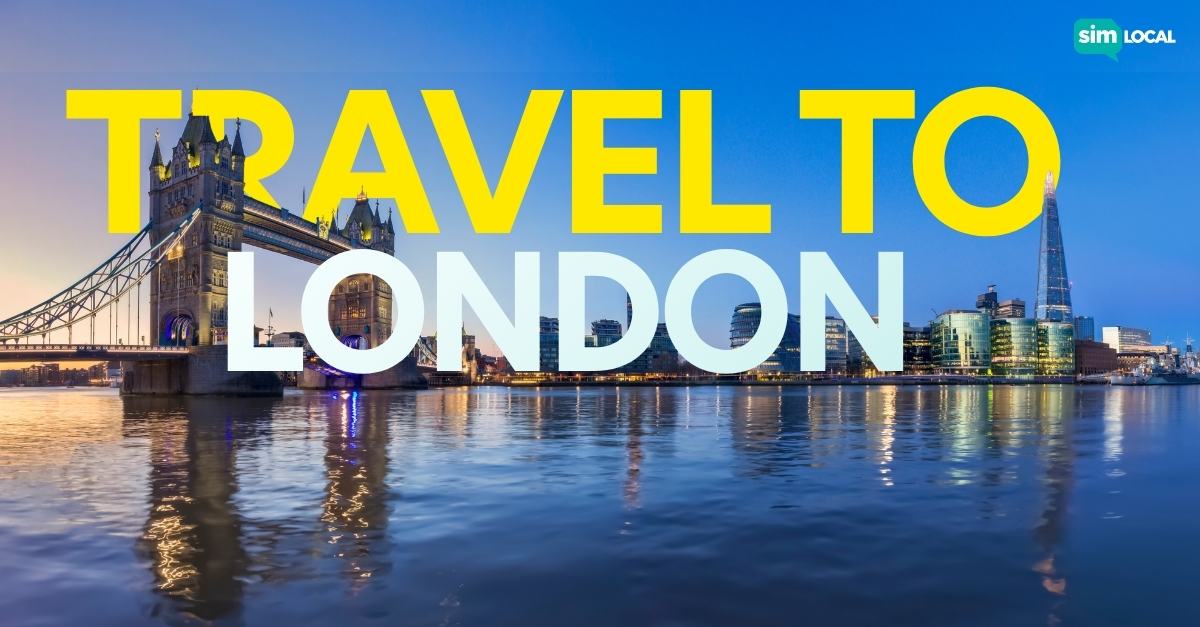
There's no single wrong time to visit London; it's a city that works in the rain as much as in the sun, with enough indoor culture to fill a wet week and enough parks to fill a sunny one. But when you go changes a lot about what the trip actually feels like: what you'll pay, how busy the Tube and the big attractions are, and which events line up with your dates. Get to know the best tips to travel to the UK.
Here's how London's seasons actually compare and which months are worth building a trip around.
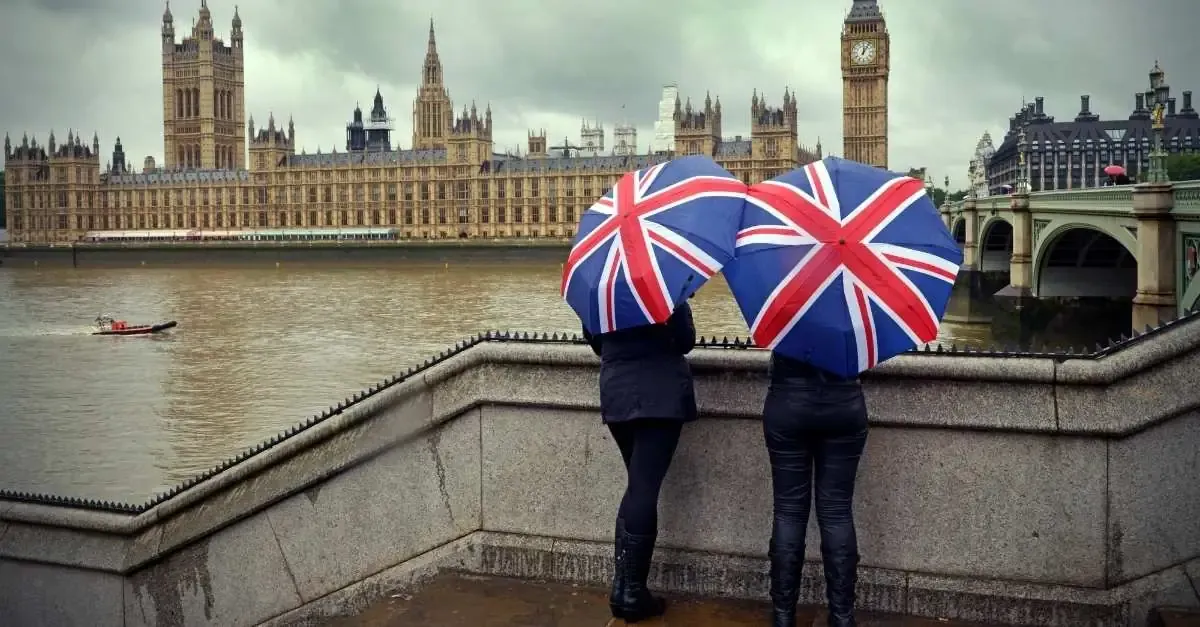
London has a temperate oceanic climate: mild, cloudy, and rainy for most of the year, without the extremes of a continental climate. Rainfall is fairly evenly spread across the year rather than concentrated in a "wet season," expecting roughly 690mm annually, with March the driest month (around 48mm) and November the wettest (around 68mm). In practice, that means it's worth packing a compact umbrella whichever month you visit.
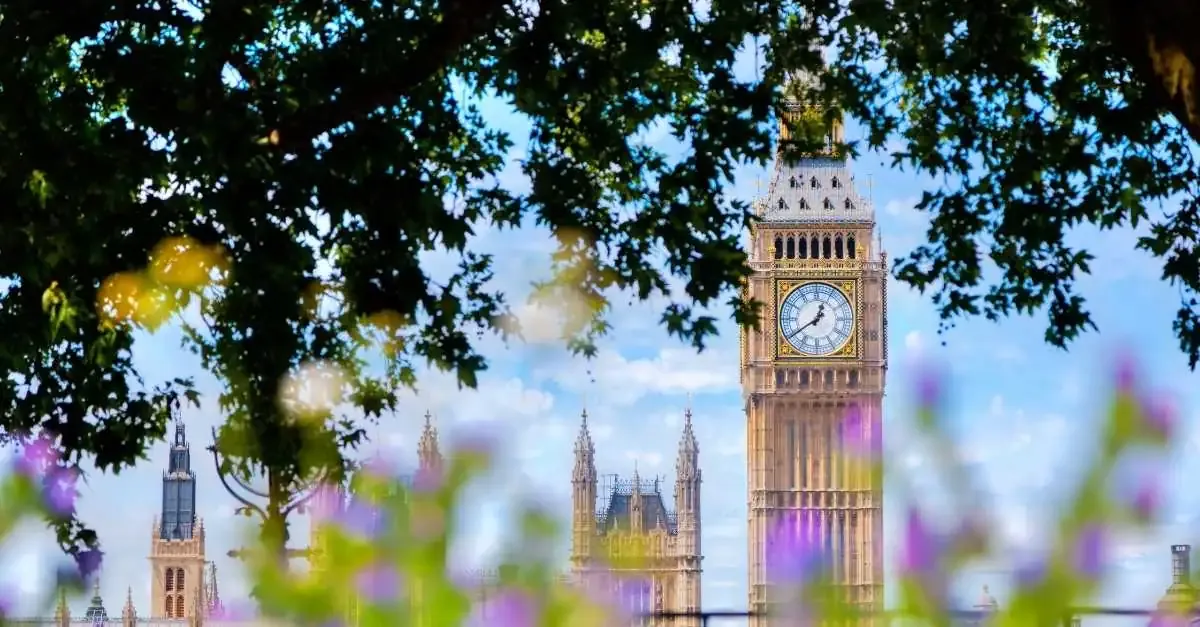
Temperatures climb steadily through spring, from around 6-12°C in March to 13-18°C by May. It's a good shoulder season: parks are in bloom, crowds are lighter than summer, and prices haven't hit their peak yet. The RHS Chelsea Flower Show usually runs in late May, and the London Marathon takes over the streets in April if you want to catch (or avoid) the road closures.
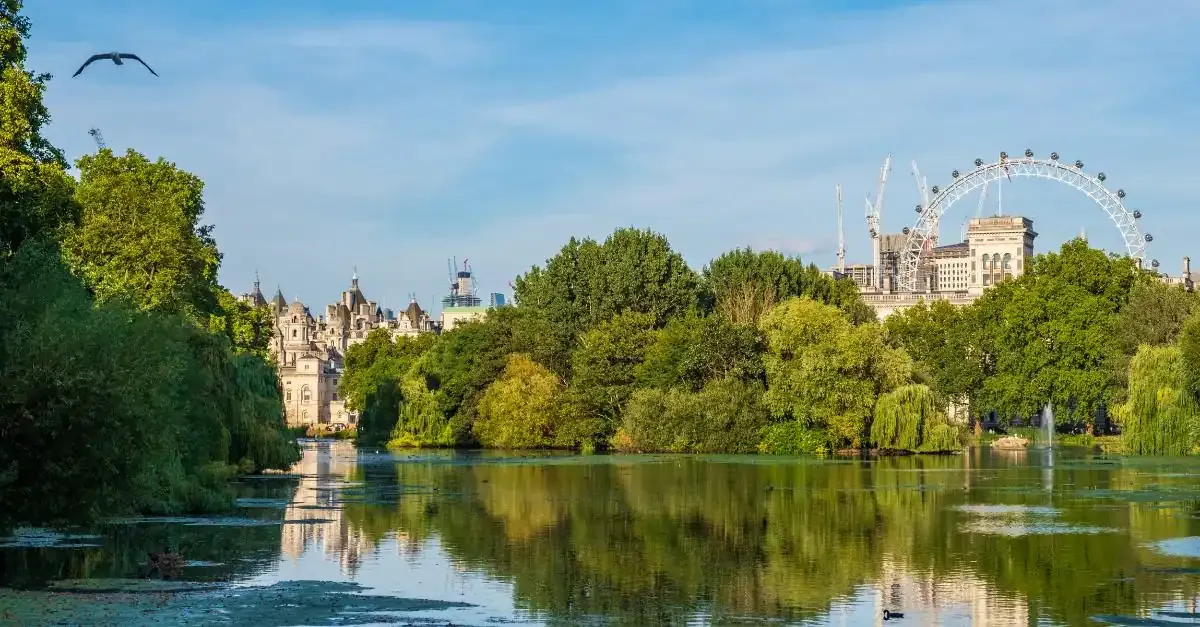
This is peak season, and the weather backs it up: daytime highs typically reach 23-24°C in July and August, with long daylight hours that make evenings in beer gardens and parks part of the experience. It's also when the big-ticket events land. Wimbledon usually runs from late June into early July, and Notting Hill Carnival takes over west London on the August bank holiday weekend. Expect the busiest crowds and highest prices of the year, especially for flights and hotels booked late.
Temperatures fall from around 19°C in early September down to single digits by November. September and early October are a genuine sweet spot, still mild, with the summer crowds thinning out and prices coming down from their peak. By November, it's noticeably colder and wetter, though Bonfire Night on the 5th and the run-up to Christmas lights switch-ons on Oxford Street and Regent Street add some sparkle to the shorter days.
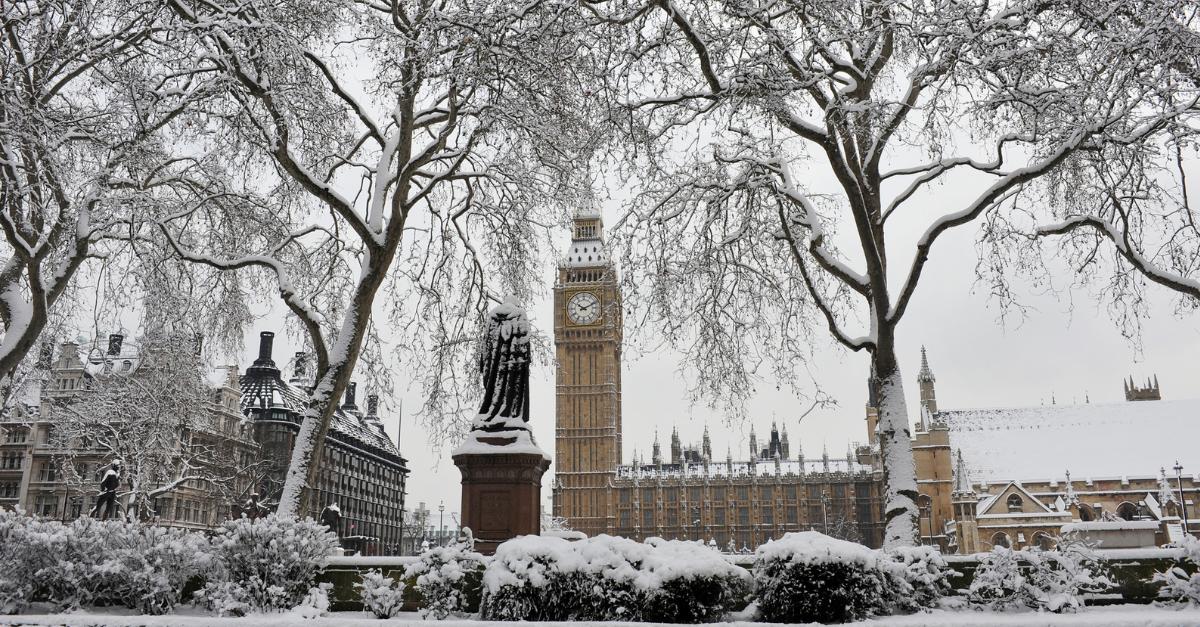
The coldest months, with January averaging around 5.5°C and occasional snow, though rarely heavy or long-lasting in the city itself. Winter Wonderland in Hyde Park typically runs from mid-November through to early January, and the Christmas lights and markets make December worth the cold if you don't mind bundling up. January and February are the quietest and cheapest months to visit; flights and hotels are at their lowest, and major attractions are noticeably less crowded. Now, if you’re planning to spend Christmas in London, don’t forget the Top 10 Christmas Markets to Visit in the UK
June through August, plus the run-up to Christmas in December, are London's peak seasons, with the best weather and biggest events but also the highest prices and the longest queues at attractions like the London Eye or the Tower of London. We also recommend that you look for the best itineraries so that you don’t miss a thing.
January to March and most of November (outside the Christmas lights period) are off-peak: the cheapest flights and hotel rates of the year, shorter lines, and plenty to do that doesn't depend on the weather. London's major museums, including the British Museum, Tate Modern, and National Gallery, are free to enter year-round.
Whichever month you land, it's worth sorting your UK eSIM before you fly, too so you can check train times, book last-minute tickets, and navigate the Tube the moment you land, whatever the weather's doing.
Get to know our plans
May and June generally offer the best balance of mild weather, long days, and manageable prices before the summer peak fully hits. September is a close second if you want similar weather with fewer crowds.
Temperatures range from around 5-6°C in the depths of winter (January) up to 23-24°C in high summer (July and August), with spring and autumn sitting in between. Rain is possible in any month, so it's less about avoiding rain entirely and more about picking the temperature range and crowd level you want.
June, July, and August, plus December in the run-up to Christmas. These months bring the best weather and biggest events but also the highest prices and busiest attractions.
Travel in January, February, or March for the lowest flight and hotel prices; book well ahead if you do need to travel in peak season; and lean on London's free museums and galleries to fill days without spending on tickets.
Yes, the Chelsea Flower Show (late May), Wimbledon (late June into early July), Notting Hill Carnival (August bank holiday weekend), and Winter Wonderland with the Christmas lights (mid-November through early January) are all worth building a trip around if they line up with your dates.
 London itinerary: hotspots and hidden gems for 3 or 4 days
Heading to London? Save this 3-day itinerary to make the most of your time in The Square Mile...
Read More Best eSIM UK: top picks for every type of traveller
Planning a trip to the UK brings up two questions pretty fast: how much data do you actually need, and which provider is worth your money?
Read More Diwali 2026: dates, travel tips and how to stay connected
Planning to be in India for Diwali, or looking for the date and where to celebrate in the UK? Here's the fast answer: Diwali 2026 falls on Sunday 8 November, the main day of a five-day festival that runs from Friday 6 to Tuesday 10 November.
Read More