 Student travel UK: a practical guide to seeing more for less
Between lectures, deadlines, and a student budget, actually getting out and seeing the UK can feel like something you'll get to eventually.
Read More
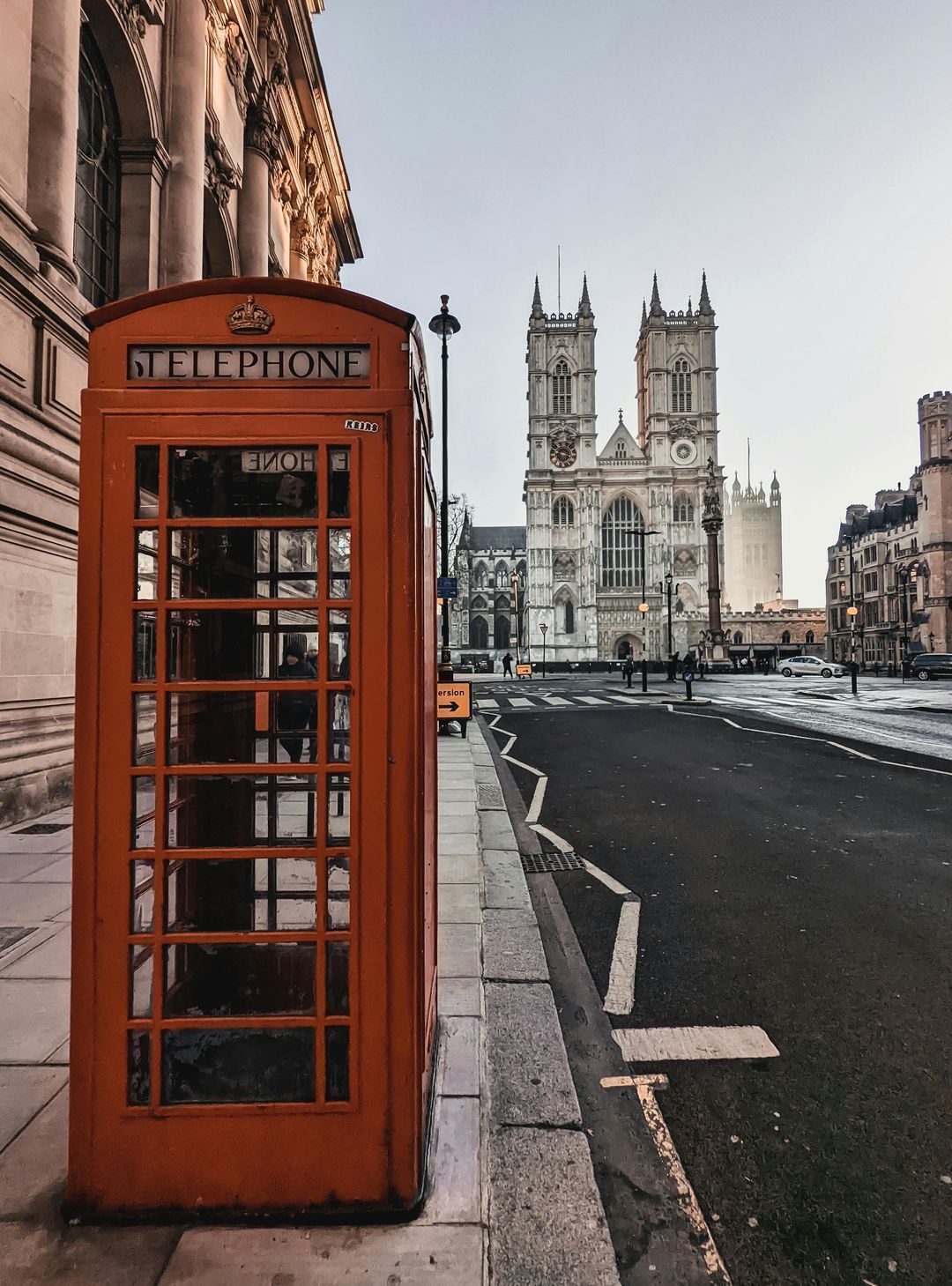
However long you've got in London, the question is always the same: what's actually worth your time? This guide covers a full 3-day itinerary covering the classic sights and the culture-heavy add-ons, how to stretch it to 4 days with markets and hidden gems, how to map it all out before you go, and the practical stuff; getting around, timing, and where to eat near what you're already seeing.
If it's your first time, stick to the 3-day plan below and treat a 4th day as a bonus rather than a requirement.
A World Heritage Site with over 900 years of history, home to the Crown Jewels, the fortress, and centuries as a royal residence and prison. Standard adult tickets run £30-40, with half-price entry for children, and Beefeater tours are available at a premium. For a cheaper, more atmospheric option, the Ceremony of the Keys; the oldest military ceremony in the world; runs nightly and tickets cost just £5.
The drawbridge section is free to walk across, with paid Tower Bridge Experience tickets available if you want the upper-level walkway views. Check the official website for drawbridge lifting times if you want to catch one, and the free Sky Garden (pre-booking required) is worth adding if you have time.
Visit Shad Thames: Victorian warehouse architecture from the area's dockland days, now home to smart flats and a much quieter stretch than the tourist-heavy sights nearby.
Stroll along the South Bank of the Thames: a six-kilometre paved riverside path nicknamed "The Queen's Walk," good at any time of day and any season, lined with restaurants and bars. It's worth having data on you here to check reviews and locate the best-value spot along the way; you can download your eSIM plan here; a 20GB, 30-day UK eSIM on 5G for US$24.50. Wait, what's an eSIM?
The Palace of Westminster has been the seat of UK government for over 900 years, from the Anglo-Saxons to today. Entry to the visitors' galleries is free when the House of Lords or House of Commons is in session. For the classic photo, stand under Westminster Bridge.
Take a tour of Westminster Abbey: a World Heritage Site with over a thousand years of history and the final resting place of British monarchs. Entry is free if you're attending for worship, with paid tours available otherwise.
Check out Smith Square and "Queen Anne's Footstool": the former church of St John's, recognisable by its unusual four-towered design, now a concert hall with a basement café; a genuine hidden gem most visitors walk straight past.
Explore the National Gallery at Trafalgar Square: one of the largest painting collections in the world, including works by Van Gogh and Picasso. Admission is free; budget at least 3 hours, and leave time for coffee and people-watching in the square.
Walk through Leicester Square and Covent Garden: the heart of the West End, with souvenir shops, cafes, theatres and cinemas; a good spot to end the day before a show.
Visit the British Museum: over 8 million objects covering human history, art and culture from the beginning to the present day. Admission is free; give it more than a few hours if you can.
Discover Sir John Soane's Museum: the house and collection of the architect Sir John Soane, described as a kaleidoscope of colours and antiquities. Admission is free, and it's usually far quieter than the big-name museums nearby.
The Hunterian Museum, connected to the Royal College of Surgeons, is the more unusual stop of the day; grisly surgical instruments and preserved anatomical specimens if that's your kind of thing.
Lincoln's Inn Fields, the largest public square in London, is a good spot to stop for a coffee between museums.
For the evening, catch a comedy show at the Bill Murray Comedy Club in Angel, East London, with tickets from as little as £7 (avoid the front row); or, on Fridays, Shakespeare's Globe releases a limited number of £5 standing tickets at 11am for the following week's performances.
Adding a 4th day: alternative London
If you've got a 4th day, this is where London stops being a list of landmarks and starts feeling like a city. Start the morning with the Changing of the Guard at Buckingham Palace (the Palace itself generally isn't open to the public); it's free, happens daily at 10:45am, and dates back to the reign of King Henry VII, so arrive early for a decent view.
Spend the rest of the day market-hopping depending on which day of the week it is: Notting Hill and Stoke Newington both have farmers' markets for organic, seasonal produce; Camden Lock Market is the spot for band tees and vintage; Borough Market covers every kind of street food; Broadway Market runs Saturdays with gifts, clothing and pop-up cafes; and Columbia Road Flower Market is a Sunday-only spectacle of bouquets.
If it's warm enough (or you don't mind cold water), Hampstead Heath's three natural swimming ponds are widely considered London's best outdoor swimming spot, and cost less than a fiver to use.
Mapping your itinerary before you go makes the actual days run smoother; you're not re-finding addresses on the move, and it's easy to share with whoever you're travelling with.
Central London is dense enough that walking between nearby stops (like Westminster Abbey to Trafalgar Square) is often faster than the Tube once you factor in getting to and from platforms. For longer hops, use an Oyster card or contactless payment on the Tube and buses rather than paper tickets; it's cheaper and works across the whole network.
It's worth sorting your UK eSIM before you fly, too, so Citymapper and the Tube map work the moment you land instead of hunting for station Wi-Fi. Our guide to the best eSIM UK options breaks down every network and plan if you want the full comparison.
Arrive right at opening for the British Museum and the Tower of London; both get significantly busier from mid-morning. The South Bank and Tower Bridge are worth revisiting in the evening once the day-trip crowds thin out and the lights come on along the river.
You don't need to plan meals separately from the sights above; Borough Market on Day 3 covers lunch and then some, the South Bank on Day 1 is lined with riverside restaurants and bars for the evening, and Covent Garden on Day 2 has enough cafes and restaurants to cover a pre-show dinner without a reservation.
Split it by theme rather than geography: a day for royal and riverside London (Tower of London, Tower Bridge, South Bank), a day for Westminster and the West End (Parliament, Westminster Abbey, National Gallery, Covent Garden), and a day for museums and culture (British Museum, Sir John Soane's, an evening show). The full breakdown is above.
Take the 3-day itinerary above and add a 4th day built around markets and neighbourhoods rather than landmarks; the Changing of the Guard in the morning, then a market (Borough, Camden, Notting Hill or Columbia Road depending on the day of the week), with Hampstead Heath's swimming ponds as an optional add-on.
3 days covers the essentials comfortably for a first visit. 2 days works for a tight layover if you stick to the absolute highlights. 4 days or more lets you add markets, neighbourhoods and a slower pace, or a day trip out of the city.
The 3-day classic-London-and-museums itinerary above, plus a 4th day focused on markets and hidden gems rather than another landmark-heavy day; see the Day 4 section above for the full plan.
Create a new map at mymaps.google.com, add one layer per day of your trip, drop a pin for each stop under the right day, and use the directions tool to draw your walking route between them. Share the finished map with anyone travelling with you so everyone has it on their phone
Student travel UK: a practical guide to seeing more for lessBetween lectures, deadlines, and a student budget, actually getting out and seeing the UK can feel like something you'll get to eventually.
Read More Best eSIM Plans for Students Studying Abroad
Looking for the best eSIM for students? Compare eSIM options in the UK, Ireland, Europe, Canada, and Australia.
Read More Best time to travel to London
There's no single wrong time to visit London; it's a city that works in the rain as much as in the sun, with enough indoor culture to fill a wet week and enough parks to fill a sunny one.
Read More