75 GB eSIM
Vietnam
5GB/day high speed

Mobifone
Duration
15 Days
Plan
Data/Calls/SMS
Speed
4G / 5G
Price
US$19.00
More Info
Top Seller
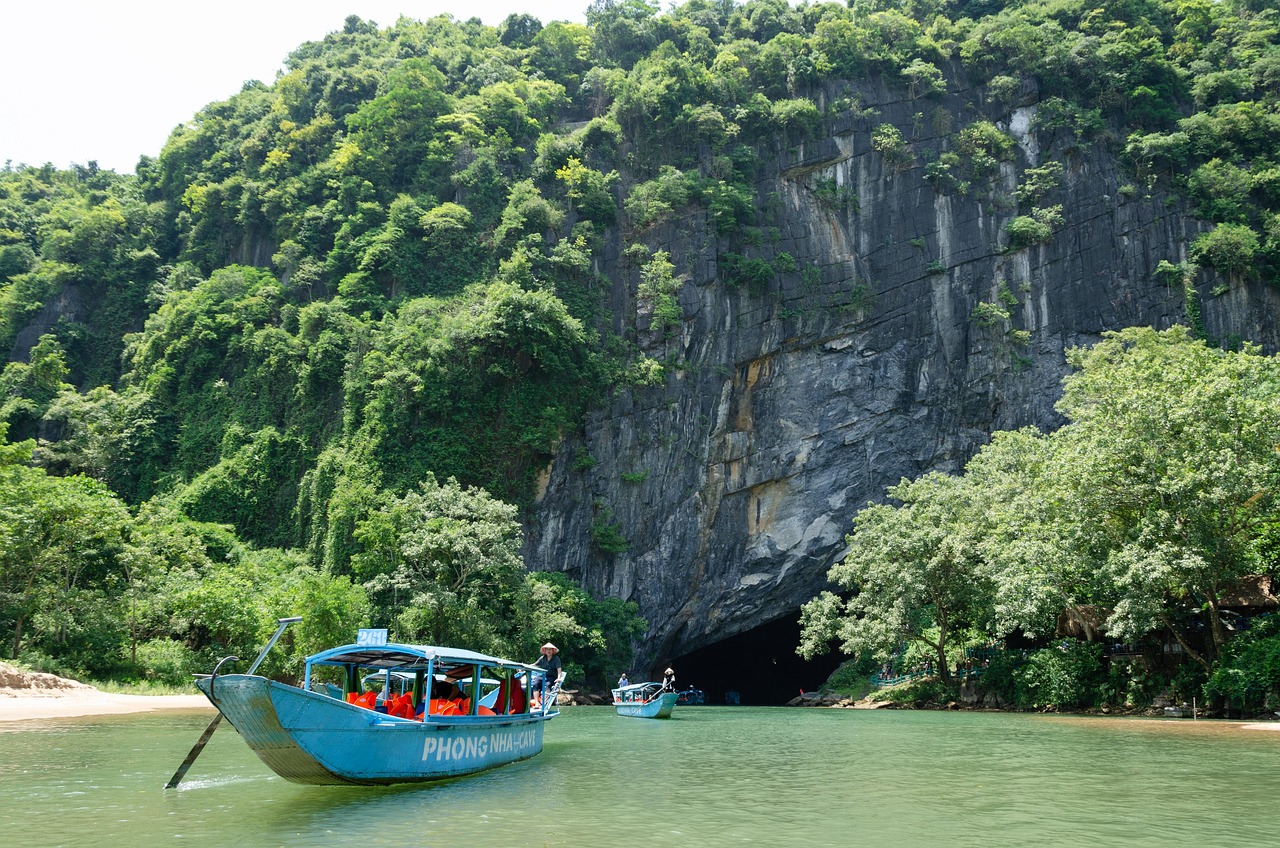
Vietnam is one of Southeast Asia’s most exciting destinations. From lantern lit streets and buzzing motorbikes to quiet countryside and tropical coastlines, it offers variety, culture and incredible value. Whether you are visiting for the first time or planning a return trip, this Vietnam travel guide covers everything you need to know before you go.
If you are searching for reliable Vietnam travel tips, practical advice and help planning your route, this guide is designed to answer the most common questions travellers ask before travelling to Vietnam.
Most travellers will need a visa or e-visa to enter Vietnam. Requirements depend on your nationality and how long you plan to stay. Always check entry rules well in advance and make sure your passport has sufficient validity remaining.
Vietnam can be visited year round, but weather varies by region. The south stays warm throughout the year, while the north experiences cooler winters and humid summers. Spring and autumn are ideal if you plan to travel across multiple areas.
Vietnam suits most budgets. Food, local transport and accommodation are affordable, while internal flights and organised tours can increase costs. Cash is widely used, especially outside major cities.
Staying connected makes travel in Vietnam much easier. Mobile data helps with maps, transport bookings, translations and recommendations. Public WiFi is available in some places but you'll lose internet access as you move around. Meanwhile international roaming can be very expensive for those travelling to Vietnam and hunting down a local SIM card once you land is an unnecessary hassle.
Getting a Vietnam eSIM before you travel means you can land connected, avoid airport queues and start navigating straight away. It is one of the easiest ways to reduce stress on arrival. Here at Sim Local, we offer great value local eSIM plans for Vietnam from Vietnam's #1 network MobiFone. These Vietnam local eSIM plans include huge data, calls, texts & a local number - everything you need to stay connected however you want while in Vietnam. You can purchase a MobiFone below:
Vietnam has a reliable transport network that makes travelling between regions straightforward. Domestic flights are the fastest option for long distances and are often affordable, especially between major cities like Hanoi, Da Nang and Ho Chi Minh City.
Trains are a popular choice for scenic routes and overnight travel, with sleeper trains offering a more relaxed way to move between cities. Long distance buses run almost everywhere and are budget friendly, though journeys can be slower.
In cities, ride hailing apps like Grab and Be are among the easiest ways to get around. You can book cars or motorbike taxis, see prices in advance and avoid language barriers. Walking works well for short distances and exploring local areas.
Vietnamese culture values politeness and respect. Dress modestly at temples and religious sites, remove shoes when required and keep voices low in sacred spaces.
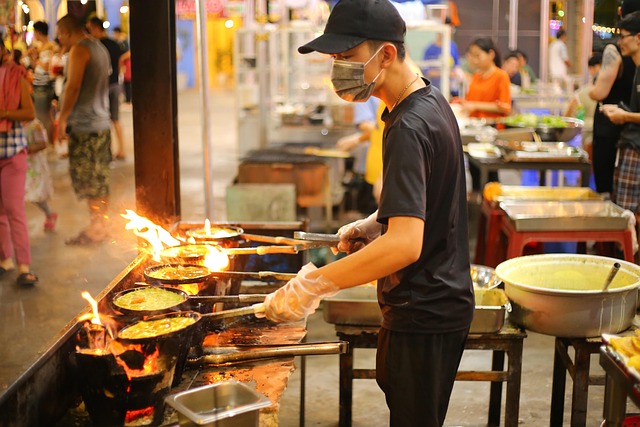
Street food is one of the highlights of any trip to Vietnam. Choose busy stalls, eat freshly cooked food and stick to bottled water. Trying local dishes is part of the experience and often the most memorable meals come from simple places.
Traffic in Vietnam can feel overwhelming at first, particularly in busy cities where motorbikes dominate the roads. Although it may look chaotic, there is an underlying flow that locals follow. When crossing the road, move slowly and confidently, avoid sudden stops and keep a steady pace so drivers can predict your movement. Use pedestrian crossings when available but do not assume vehicles will stop, and follow locals or choose quieter crossing points where possible. With a little patience, navigating traffic quickly becomes easier.
Vietnam can feel like a big destination to plan, especially for first time visitors. A simple north to south route is one of the easiest and most rewarding ways to experience the country. It balances cities, culture, landscapes and downtime without rushing.
Below is a suggested itinerary ideal for travellers heading to Vietnam in 2026. It is flexible, realistic and works well for solo travellers, couples and first time visitors.
Days 1 to 3: Hanoi
Start in the capital. Explore the Old Quarter, enjoy Vietnamese coffee culture and sample street food. Take time to adjust to the pace and energy of the city.
Days 4 to 5: Ha Long Bay or Ninh Binh
Choose between limestone islands and calm waters or rural landscapes with rice fields and caves. Both offer a slower pace and stunning scenery.
Days 6 to 7: Hoi An
Travel south to this charming historic town. Wander lantern lit streets, relax on nearby beaches and enjoy some of the best food in the country.
Days 8 to 9: Hue or Da Nang
Visit Hue for imperial history or Da Nang for coastal views and modern cafes depending on your interests.
Days 10 to 12: Ho Chi Minh City
End your trip in Vietnam’s largest city. Explore museums, markets and neighbourhoods, with optional day trips to the Mekong Delta or Cu Chi Tunnels.
Optional Extensions
Add beach time in Phu Quoc or Nha Trang, or head north to Sapa for mountain scenery and trekking.
Vietnam is considered a safe destination for travellers. As with any country, stay aware of your surroundings, keep valuables secure and be cautious in busy areas.
Vietnam uses the Vietnamese dong. Cash is commonly used for everyday purchases. Cards are accepted in many hotels and restaurants in major cities.
Having mobile data makes travel significantly easier. It helps with navigation, booking transport, translating menus and staying in touch. Many travellers choose an eSIM for convenience.
Pack lightweight clothing, comfortable walking shoes and sun protection. If visiting the north or mountainous areas, bring layers. A small medical kit and reusable water bottle are also useful.
Ten to fourteen days is a good amount of time for a first visit, allowing you to see multiple regions without rushing. Longer stays allow deeper exploration.
Vietnam is a destination that rewards preparation and curiosity. With the right planning and these Vietnam travel tips, you will be well set for an unforgettable journey.
 How to Stay Connected in Vietnam: WiFi vs Roaming vs eSIM
In this guide, we compare the three main options for staying connected in Vietnam: Public WiFi, International Roaming, SIM cards & eSIM.
Read More.png) Sim Local launch MobiFone Vietnam eSIM plans
Sim Local launch MobiFone Vietnam eSIM plansSim Local is have launched local Vietnam eSIM plans from MobiFone, bringing travellers even more choice when it comes to staying connected across Vietnam with fast, reliable local eSIM plans.
Read More The Best eSIMs for Vietnam to Keep You Connected on Your Trip
Don’t let data worries slow you down in Vietnam. Stay connected with a Vietnam eSIM and make the most of every adventure.
Read MoreStay Connected Across Vietnam, Just Like Home